March 11, 2026
DIY painting projects often begin with the best of intentions. Many homeowners see painting as a simple way to update their space, assuming that a few cans of paint and a free weekend will produce the same results seen in professionally finished homes. However, once the work begins, many quickly discover that painting involves far more preparation, technique, and patience than expected.
Achieving a clean, long-lasting finish requires careful planning, proper tools, and experience with different surfaces and materials. Even small missteps can lead to uneven coverage, peeling paint, or surfaces that require repainting much sooner than anticipated. Professional painters develop their skills through years of hands-on experience, learning how to handle the details that make the difference between an average result and a truly polished finish.
Understanding the most common DIY painting mistakes can help homeowners better evaluate whether taking on the project themselves is worth the time and effort. In many cases, these challenges highlight why so many homeowners ultimately decide their time is better spent leaving the work to professionals.
1. Skip Proper Surface Preparation
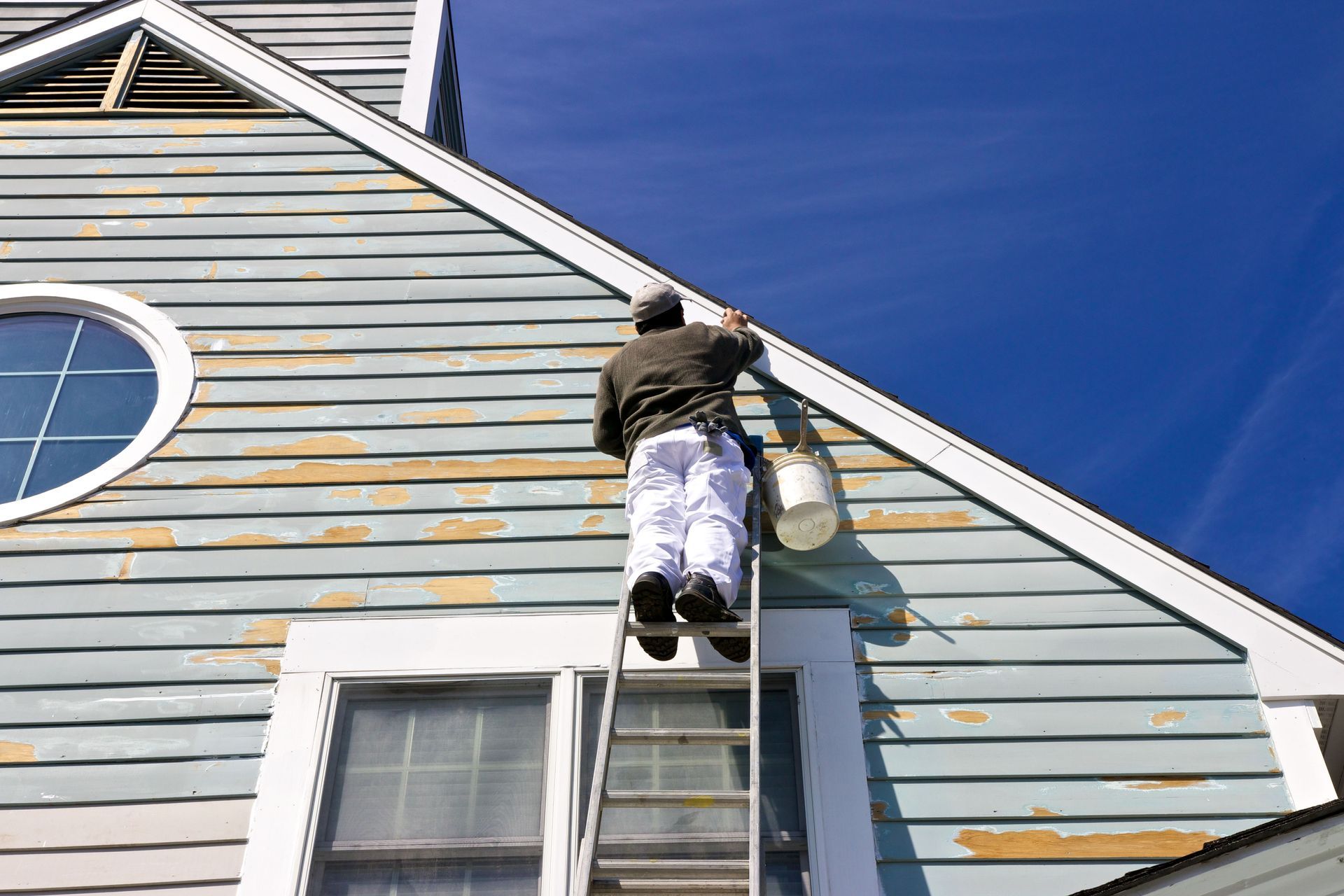
One of the most common mistakes homeowners make is underestimating how important surface preparation is before paint is applied. Walls, trim, and exterior surfaces collect dust, oils, and residues that can prevent paint from bonding correctly, which is why experienced painters begin by thoroughly cleaning and preparing every surface before opening a single paint can. Another frequently overlooked step is repairing imperfections, because small dents, cracks, and nail holes can become highly noticeable once fresh paint is applied, so professionals carefully fill these areas, sand them smooth, and blend the repairs into the surrounding surface so the finished wall appears seamless. Priming is another step that many DIY projects skip in an effort to save time, but primer helps paint adhere more effectively and ensures the final color appears consistent across the entire surface, preventing uneven tones and early failure of the finish. Without these preparation steps, even high-quality paint may struggle to perform as expected, which is why professionals place such strong emphasis on this early stage of the process.
2. Choose the Wrong Paint Finish
Paint selection involves far more than simply choosing a color, and many homeowners are surprised to learn how dramatically the finish can affect durability and maintenance over time. Different finishes are designed to perform under different conditions, and selecting the wrong one can result in surfaces that show stains, scuffs, or moisture damage much sooner than expected, which is why professional painters evaluate each room’s function before recommending a specific product. For example, according to This Old House, semi-gloss paint is one of the most stain-resistant types of paint, making it a popular choice for trim, doors, kitchens, and bathrooms where surfaces must withstand frequent cleaning. Interior and exterior paints also serve very different purposes, since exterior formulas are designed to handle sunlight, rain, and temperature changes while interior paints focus more on appearance and indoor durability. Choosing the right paint product is often more complicated than many DIYers anticipate, which is why experienced painters rely on product knowledge developed over years of working with different surfaces and environments.
3. Use the Wrong Tools for the Job
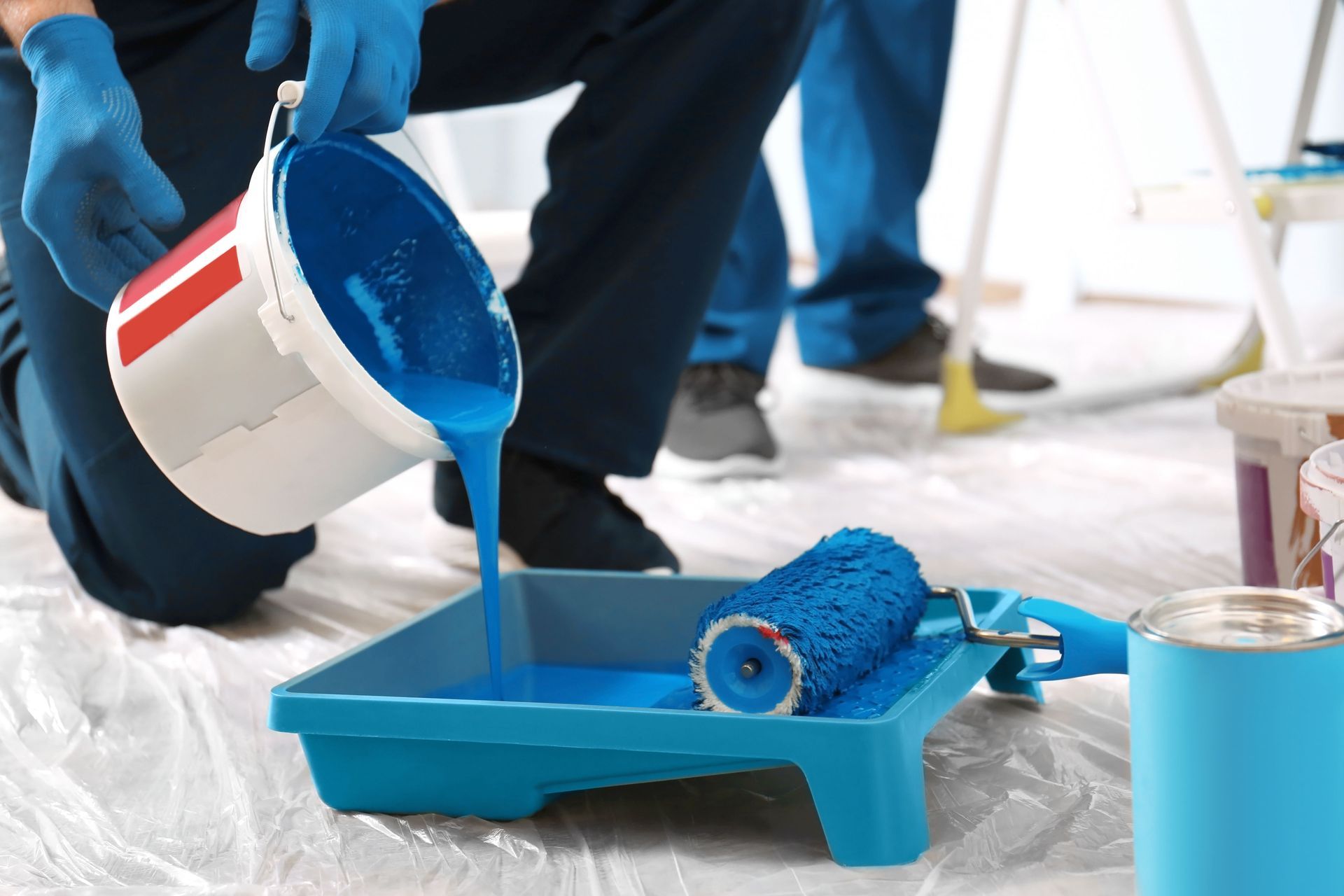
Many DIY painting projects struggle to achieve professional-looking results because of the tools used during the process. Homeowners often purchase inexpensive brushes and rollers to keep costs low, but lower-quality tools can leave streaks, shed fibers into the paint, and create uneven textures that become noticeable once the paint dries. Professional painters rely on tools specifically designed for different paint types and surfaces, such as synthetic brushes for water-based paints and rollers with varying nap thickness depending on whether the surface is smooth drywall, textured plaster, or exterior siding. High-quality tools allow paint to be applied more evenly and consistently, which helps eliminate visible lines and improves overall coverage throughout the project. Investing in the right equipment is another way experienced
painters maintain a polished finish that holds up well over time.
4. Apply Paint Using Improper Techniques
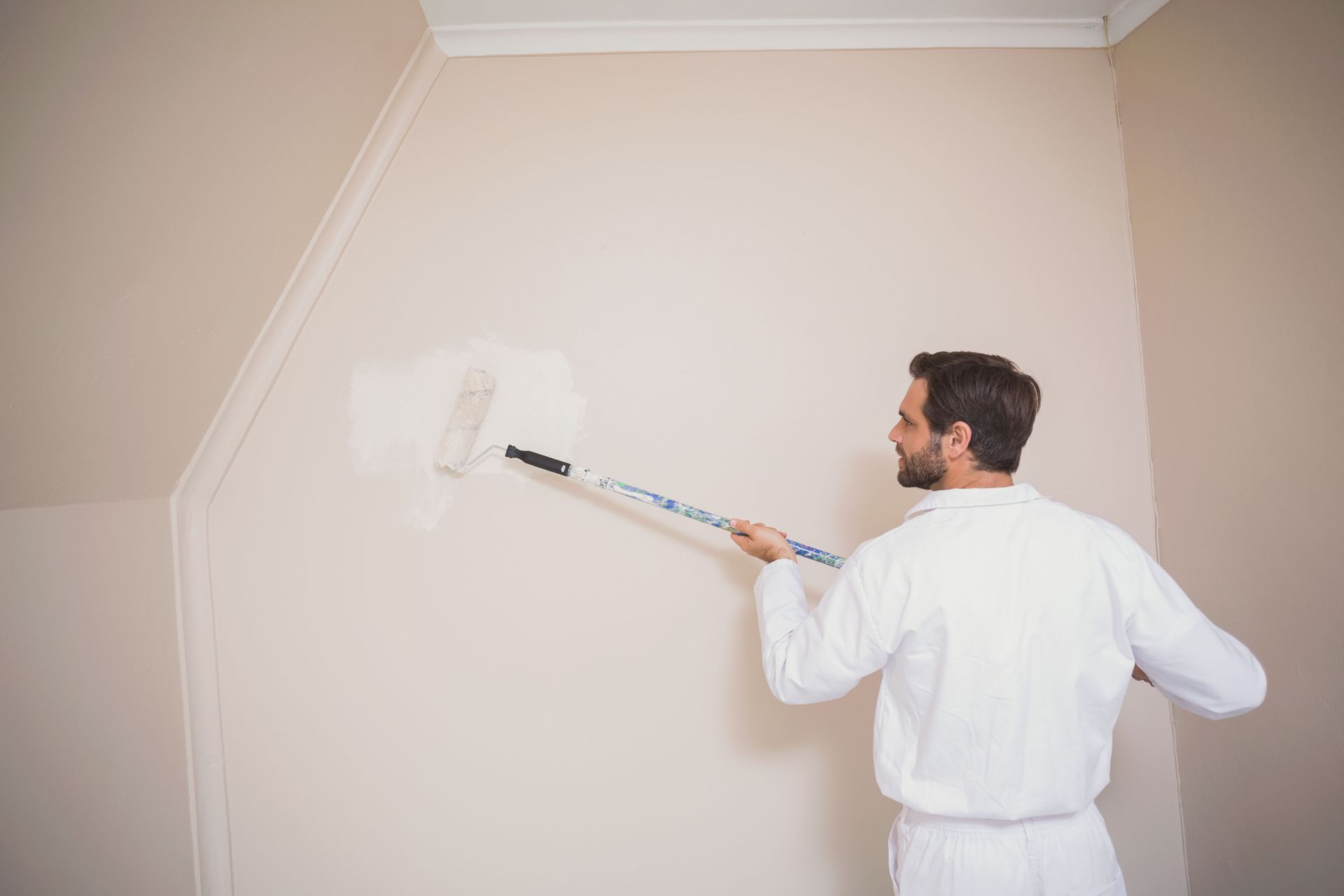
Even when surfaces are prepared correctly and quality materials are used, improper application techniques can still undermine the final result. Many DIY painters apply paint in straight vertical lines or inconsistent strokes, which can create roller marks, streaks, and uneven coverage across the wall. Professional painters often use a “W” or “M” rolling pattern that spreads paint evenly across a section before filling in the remaining areas, helping distribute the paint more consistently while preventing buildup in certain spots. Maintaining a wet edge is another important technique that professionals rely on, which means applying new paint while the previous section is still wet so the layers blend together smoothly without visible lap marks. These small but important application details are often what separate a smooth, professional-looking finish from one that appears patchy or inconsistent.
5. Overlook Proper Protection and Cleanup
Another common issue in DIY painting projects is failing to protect surrounding surfaces before work begins. Floors, furniture, and fixtures can easily be splattered with paint when drop cloths and protective coverings are not used properly, and once paint dries it can be extremely difficult to remove from certain materials. Professional painters carefully cover floors, furniture, and nearby surfaces while also using painter’s tape to create crisp lines around trim, outlets, and architectural features. Taking these precautions allows the paint job to remain clean and controlled from start to finish while reducing the likelihood of accidental damage. Proper cleanup and storage of leftover paint are also important steps that professionals follow to ensure touch-ups can be completed easily in the future.
6. Ignore Important Safety Precautions
Safety is another area where DIY painting projects sometimes encounter unexpected challenges. Painting often requires working on ladders, handling chemicals, and spending long periods in enclosed areas where fumes can build up if ventilation is poor. Professional painters take precautions to ensure proper airflow by opening windows, using fans, and allowing adequate drying time so indoor air quality remains comfortable during the project. Ladder placement and balance are also important considerations when working on ceilings, stairwells, or exterior surfaces, which is why experienced painters follow strict safety practices to reduce the risk of falls or injuries. Using appropriate protective gear such as gloves, masks, or eye protection further helps minimize exposure to paint products and cleaning chemicals during the job.
Painting may appear simple at first glance, but achieving professional-quality results requires preparation, technique, and experience. What many homeowners expect to be a quick DIY project can quickly turn into a lengthy process filled with unexpected challenges and frustrating results. Without the right tools, materials, and expertise, even small mistakes can compromise the appearance and durability of the finished paint job.
At Paint Smart, we help homeowners and businesses throughout the Rapid City, SD metro area avoid those headaches entirely. Our team brings more than 25 years of experience to every project, handling everything from interior painting and exterior painting to staining, cabinetry finishing, and detailed door and trim painting for residential and commercial properties. If you’re ready for clean lines, lasting finishes, and a process that runs smoothly from start to finish, contact Paint Smart today for a free estimate and let us take the stress of painting off your to-do list.